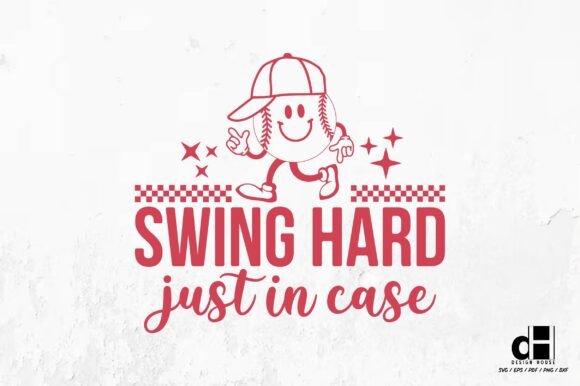
Swing Hard Just in Case-Baseball Retro M Review
As a designer who spends half my life staring at stitch charts and the other half worrying about whether a client’s budget will cover the thread costs, I don’t just buy designs because they look cute on a screen. I buy them because they translate into reality. When I first pulled up Swing Hard Just in Case-Baseball Retro M, I didn’t immediately think “mass market.” I thought “boutique gift.” This design carries a specific energy—a mix of vintage sports nostalgia and playful caution—that feels very current in the handmade space right now.
The prompt asks for an evaluation of real project use, so let’s skip the generic praise and get into the weeds of how this machine embroidery design actually behaves when it hits the fabric. Whether you are an Etsy seller looking for your next bestseller or a hobbyist making a custom gift for a little league player, understanding the visual weight and thematic fit of Swing Hard Just in Case-Baseball Retro M is crucial before you hit start on your machine.
First Impressions: Mood and Visual Personality
The name itself tells you everything you need to know about the target audience. It’s not serious sports gear; it’s lifestyle apparel. The retro mascot vibe suggests bold shapes and clear lines, which is exactly what you want when working with limited color palettes. In a world where every shop is selling minimalist line art, a character-driven embroidery file like this stands out because it has personality.
Visually, the design likely relies on strong contrast. Mascot-style graphics tend to work best when they have defined boundaries. If you are planning to use this for custom apparel, such as a heavyweight sweatshirt or a structured cap, the bold nature of the artwork ensures it won’t get lost in the fabric texture. It feels like a design meant to be seen from a few feet away, making it perfect for craft fair booths or social media product photos where detail needs to pop even in small thumbnails.
However, the “Retro” aspect means we have to be careful with execution. Retro styles can easily tip into cluttered if the stitch density isn’t managed well. You want that clean, vintage tee look, not a tangled mess of threads. This is where the quality of the digitization matters more than the artwork itself.
Real-World Application: Where This Design Shines
I’ve been thinking through several scenarios where Swing Hard Just in Case-Baseball Retro M would perform exceptionally well. Let’s look at a few practical applications.
- Custom Tote Bags: A canvas tote with a baseball theme is a classic combo. Placing this design on the front pocket or center chest area creates an instant statement piece. It appeals to parents buying gifts for kids or college students heading to campus. The durability required for a tote bag matches the robust feel of a mascot graphic.
- Baby Embroidery Projects: Think about a onesie or a burp cloth for a baby shower gift. The phrase “Swing Hard Just in Case” is humorous enough for the parents but cute enough for the nursery. When digitized correctly, the soft curves of a retro mascot translate beautifully to baby clothes, provided the hoop size allows for proper stabilization without puckering the delicate jersey knit.
- Holiday Embroidery: Baseball season often overlaps with summer holidays, but the retro aesthetic also fits well with autumn vibes—think fall festivals or early football prep. A handmade product featuring this design could easily cross over into seasonal gifting, especially if paired with complementary colors like navy, cream, and forest green.
- Embroidered Patches: If you sell accessories, turning this design into an iron-on patch is a smart move. Patches allow customers to personalize jackets, backpacks, and hats. The distinct shape of a mascot makes it ideal for appliqué or dense fill stitching, creating a tactile element that adds value to the finished product.
In all these cases, the key is consistency. If you are building a brand around sports-themed humor, this design fits right in. It helps establish a voice that is approachable and fun, which drives engagement for any Etsy seller or small shop product line.
Technical Considerations and Potential Pitfalls
Now, let’s talk about where things can go wrong. Even the best artwork can fail if the technical execution isn’t sound. Here is what I look for when evaluating Swing Hard Just in Case-Baseball Retro M for production.
Hoop Size and Placement: Always check the dimensions. If the design is too large for a standard 4x4 hoop, you risk distortion during multi-hooping. For curved surfaces like caps, ensure the underlay stitches are sufficient to hold the fabric taut. A loose foundation leads to sloppy satin stitches, which ruins the professional look instantly.
Thread Color Contrast: The success of a retro design often hinges on contrast. On dark fabrics, you need bright, saturated threads to make the mascot pop. On light fabrics, you might need a contrasting outline or a negative space effect. I always recommend testing the thread colors against your actual fabric swatch before committing to a full run. What looks good on a monitor can look muddy in person.
Stitch Density and Fabric Texture: High-density fill stitches are great for durability but can make fabric stiff. If you are embroidering on thin cotton or stretchy jersey, excessive density can cause pucker. Conversely, if the design relies on tiny details, a textured fabric like tweed or heavy denim might hide those details entirely. Inspect the small details in the digitization file to ensure they aren’t too fine for the intended fabric.
Commercial Use and Licensing: Before you start selling commercial embroidery items, double-check the license terms. Many digital designers offer personal use only, while others grant commercial rights with restrictions. Since this is a digital embroidery file purchased from a third-party store, assuming commercial rights can lead to legal headaches. Confirm whether you can sell the finished goods or if you are restricted to personal projects.
Practical Designer Notes for Testing
Never trust a screen. Trust your machine and your hands. Here is my checklist before running any new design:
- Test on Scrap Fabric: Run the design on the exact fabric type you plan to use. Check for puckering, thread breaks, and registration issues.
- Black and White Mockup: View the design in grayscale. Does the hierarchy of elements still make sense? Are there areas where the eye gets confused?
- Check Stabilizer Compatibility: Different fabrics require different stabilizers. A tear-away might not be enough for a heavy tote bag, while a cut-away might be overkill for a single-use gift tag.
- Inspect Corners and Curves: Zoom in on the digitization. Are the corners sharp? Do the curves flow naturally? Poorly executed corners are the hallmark of amateur embroidery.
Final Verdict: Is It Worth the Investment?
Swing Hard Just in Case-Baseball Retro M is a solid choice for designers looking to add a touch of whimsical sports nostalgia to their catalog. It works particularly well for personalized gifts and craft business items where personality sells. The retro mascot theme is timeless enough to remain relevant but fresh enough to stand out in a crowded marketplace.
However, its success depends entirely on your technical setup. If you are new to embroidery, take the time to learn how to manage stitch density and stabilize tricky fabrics. If you are an experienced pro, this design offers a quick, reliable way to produce high-quality, appealing merchandise with minimal fuss.
Ultimately, the best embroidery project is one that combines a strong concept with flawless execution. This design provides the concept; you provide the skill. If you can balance the two, you’ll have a finished product that customers will love wearing and displaying. Just remember to check your licenses, test your threads, and keep your needles sharp. Happy stitching.