Just a Girl Who Loves Skunks Vintage Review
When I am looking at a new embroidery file for my craft business, I don’t just look at the preview image. I think about how it will stitch out, how it will hold up after washing, and whether it actually fits the vibe of the customers I want to attract. Recently, I came across the Just a Girl Who Loves Skunks Vintage design, and I decided to put it through its paces in my studio. This is not just another cute animal graphic; it is a specific aesthetic choice that requires careful consideration when turning it into a physical product.
The digital world is flooded with generic clipart, but this Graphics category entry stands out because of its retro attitude. As an experienced designer, I evaluate every machine embroidery design based on three things: visual personality, technical feasibility, and market appeal. Here is my honest breakdown of how Just a Girl Who Loves Skunks Vintage performs in real-world applications.
First Impressions and Visual Personality
The moment you load the file into your digitizing software or cutting machine interface, the mood is clear. The title alone sets a tone that is playful, slightly rebellious, and deeply nostalgic. It taps into the "cottagecore" and "witchy" aesthetics that are currently dominating platforms like Etsy and Pinterest. For Etsy sellers and small shop owners, this is valuable intelligence. You are not just selling a skunk; you are selling a lifestyle identity.
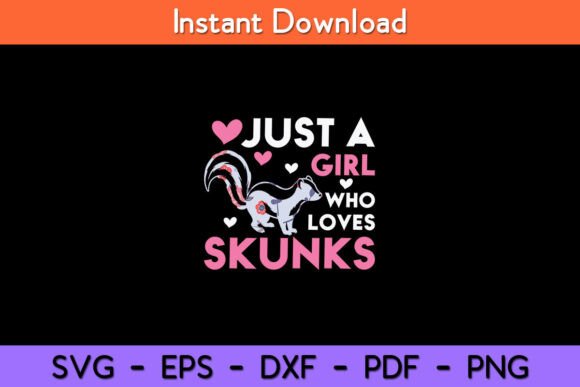
Visually, the design likely relies on bold lines and a vintage color palette. In my experience, designs with strong silhouettes translate better to embroidery than overly intricate, hair-like details. If this Svg Design uses clean curves and distinct shapes, it will stitch out beautifully. The "vintage" aspect suggests it might feature distressed textures or classic typography, which adds character but also introduces risk if the detail level is too high for standard hoop sizes.
Real-World Application: The Tote Bag Test
To truly understand a design’s potential, I always start with a tote bag design scenario. Canvas bags are the bread and butter of many craft business models, but they present unique challenges. Fabric texture can interfere with satin stitch clarity, and the weight of the bag can cause distortion if the underlay is not properly placed.
I imagined placing Just a Girl Who Loves Skunks Vintage on a natural canvas tote. The contrast would be key here. If the design features light threads, it might get lost on dark fabric unless a heavy stabilizer is used. However, on a cream or beige canvas, the retro colors would pop. This project appeals to students, book lovers, and festival-goers. It feels like a personalized gift that a customer would carry daily, increasing brand visibility. If you are an apparel decorator, this same design could easily move to a sweatshirt, offering a cozy, statement piece for autumn markets.
Technical Performance in Embroidery
Not all digital files are created equal. When evaluating this as a digital embroidery file, I look closely at the stitch types. Does it rely too heavily on dense fill stitch areas? Dense fills can make a garment stiff and uncomfortable, especially on baby clothes or delicate fabrics. If Just a Girl Who Loves Skunks Vintage utilizes a mix of running stitch for outlines and lighter fill patterns, it will drape much better on finished products.
I also consider the hoop size. If the design is wide, it may require a large hoop, limiting where it can be placed on garments like caps or sleeves. Conversely, a compact layout allows for versatile placement, such as a small chest logo on a hoodie or a centered back print on a tee. For commercial embroidery projects, versatility is money. A design that works on both a custom apparel item and a kitchen towel is far more profitable than one restricted to a single use case.
Applique vs. Direct Stitching
Some versions of this type of design might work well as an applique design. If the skunk shape is solid, using applique fabric instead of thread can save time and reduce thread breakage. It adds a professional, boutique-level finish that elevates the perceived value of the handmade product. However, if the design includes fine text or small facial details, direct stitching with high-quality polyester thread is usually the safer bet for clarity.
Where to Use It Carefully
Even great designs have limitations. I advise caution when using Just a Girl Who Loves Skunks Vintage on certain materials. Avoid thin, stretchy fabrics like jersey knits without proper tear-away stabilizer, as the tension can pucker the material. Similarly, textured fabrics like bouclé or heavy wools can obscure the finer details of the design, making it look muddy.
Curved surfaces, such as baseball caps, are also tricky. Unless the design is specifically digitized for curved hooping, flat designs can distort around the crown. Additionally, be mindful of stitch density on items that need frequent washing, like baby blankets. Excessive stitching can lead to pilling over time. Always test on scrap fabric first to see how the thread colors interact with the base material.
Impact on Brand and Customer Trust
For creative entrepreneurs, presentation is everything. A poorly stitched design can damage your reputation, while a clean, well-executed one builds trust. When customers see a sharp, clear image of Just a Girl Who Loves Skunks Vintage on a finished product, they perceive higher quality. This is crucial for printable mockups as well. Your digital previews must accurately reflect what the customer receives. If the online image looks crisp but the physical item is blurry due to poor digitization, returns and negative reviews will follow.
This design also speaks to a niche audience. By choosing a skunk theme, you are signaling that your brand is fun, unconventional, and inclusive. It resonates with people who identify with the "outcast" or "quirky" persona. This emotional connection drives engagement and repeat purchases. It transforms a simple embroidery project into a statement piece that customers are proud to wear or display.
Practical Designer Notes for Success
Before you start mass-producing items with this design, follow these practical steps:
- Check Licensing: Confirm whether you have commercial rights to sell finished goods. Some design assets are for personal use only.
- Test Stitch Density: Reduce density if the design looks too heavy on lightweight fabrics.
- Review Color Contrast: Ensure the thread colors stand out against your chosen fabric. Dark threads on dark fabric often disappear.
- Use Proper Stabilizer: Match the stabilizer to the fabric weight to prevent puckering.
- Inspect Small Details: Zoom in on the digitized file to ensure tiny elements like eyes or text are legible after stitching.
- Black and White Mockup: View the design in grayscale to check for balance and composition issues.
In conclusion, Just a Girl Who Loves Skunks Vintage is a strong contender for any crafts professional looking to add personality to their inventory. It balances nostalgia with modern trends, making it highly marketable. Whether you are creating a holiday embroidery collection or expanding your small shop product line, this design offers a reliable foundation for success. Just remember: the magic happens in the execution. Take your time, test thoroughly, and let the quality of your work speak for itself.