Vintage Laundry SVG Bundle Review
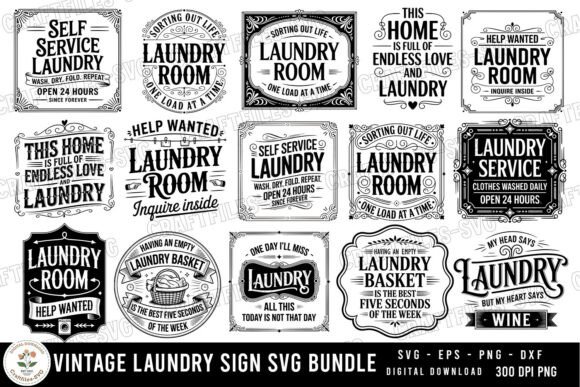
As a designer who spends half my day staring at stitch charts and the other half trying to convince clients that "simple" embroidery is actually quite complex, I approach every new digital asset with a healthy dose of skepticism. The market is flooded with generic clipart masquerading as professional design files. However, when I pulled up the Vintage Laundry SVG Bundle, Ironing SVG, something felt different. It wasn’t just another retro clip; it had a specific rhythm to it, a visual language that speaks directly to the current obsession with nostalgic, home-spun aesthetics.
I don’t review products based on how they look in a pristine vector editor. I review them based on how they translate to thread, fabric, and finished product value. This review breaks down exactly how this bundle performs in real-world scenarios, from custom client orders to your own craft business inventory.
First Impressions: Mood and Visual Personality
The moment you open the Vintage Laundry SVG Bundle, Ironing SVG, the mood is immediately established. It isn’t loud or aggressive. Instead, it leans into that warm, lived-in feeling of a well-loved kitchen or a sun-drenched laundry room. The design elements—the iron, the typography, the overall composition—feel cohesive. For an embroidery designer, cohesion is everything. If the lines clash or the proportions feel off, the final stitched piece will look cluttered, no matter how high-quality the thread is.
This bundle excels in creating a sense of place. It doesn’t just say "laundry"; it evokes the ritual of ironing, the care taken in household maintenance, and the charm of mid-century domestic life. This emotional connection is what separates a mass-produced sticker from a meaningful handmade product. When I look at the layout, I see potential for brand consistency in boutique shops that focus on rustic, farmhouse, or vintage-inspired decor. It’s not just a graphic; it’s a narrative element.
Real-World Application: Where Does This Design Shine?
In my experience, the true test of any embroidery file is its versatility across different mediums. I took the concepts from the Vintage Laundry SVG Bundle, Ironing SVG and mentally mapped them out against several common project types to see where they would truly add value.
- Custom Apparel and Sweatshirts: There is a massive trend toward oversized, comfortable clothing with subtle, witty graphics. Placing the ironing motif on the back of a heavyweight cotton sweatshirt or the front pocket of a hoodie creates an instant conversation starter. The design has enough weight to stand out on thick fabrics without looking lost.
- Kitchen Linens and Tea Towels: This is perhaps the most natural fit. A tea towel design featuring this bundle allows for a larger canvas, letting the details breathe. Whether used as a wedding gift or a housewarming present, it elevates a basic utility item into a keepsake.
- Baby and Nursery Items: Soft pastels combined with the gentle imagery of the iron create a soothing aesthetic for nursery wall art or baby bodysuits. It taps into the "gentle parenting" and slow-living trends that are highly popular among modern parents.
- Small Business Merchandise: For Etsy sellers or craft fair vendors, this bundle offers a ready-made branding solution. Imagine embroidered patches on tote bags sold alongside handmade soaps or candles. It creates a unified visual identity that builds trust with customers.
Technical Considerations and Stitch Clarity
Let’s talk about the mechanics. As a designer, I need to know if the design will hold up under the needle. The Vintage Laundry SVG Bundle, Ironing SVG appears to rely heavily on clean lines and solid shapes, which generally translates well to machine embroidery. However, there are nuances.
Stitch Density and Fill Stitches: If the design utilizes fill stitches for the body of the iron or the background, you need to ensure your digitizer (or the file itself) accounts for fabric stability. Dense fills can pucker thin fabrics like rayon or lightweight cottons. I always recommend testing such designs on scrap fabric first to check for puckering. If the design uses satin stitches for outlines, the tension must be balanced carefully to prevent thread breakage.
Detail Level: Vintage styles often include fine lines or small text. In a machine embroidery design, tiny details can get lost or become illegible after washing. I advise checking the smallest elements of the bundle. If they are too small, consider scaling the design up slightly during the hooping process to ensure clarity. Avoid using this design for items that require frequent, heavy-duty washing, such as work uniforms, unless you are prepared for some wear over time.
Where to Use With Caution
Not every surface is created equal. While this bundle is versatile, there are specific situations where you should proceed with caution:
- Small Hoop Sizes: Attempting to cram intricate vintage details into a very small hoop (like 4x4 inches or smaller) can result in a muddy, indistinct image. Give the design room to breathe.
- Textured or Stretchy Fabrics: Knits, jersey materials, and heavily textured weaves can distort straight lines and curves. If you must use these fabrics, a cut-away stabilizer is non-negotiable to maintain the integrity of the applique design or satin edges.
- Curved Surfaces: Embroidering on caps or curved hat panels requires advanced techniques. The flat nature of the SVG needs to be mapped correctly to the curve to avoid distortion.
- Dense Stitch Areas on Thin Fabric: As mentioned, dense stitching on delicate fabrics can cause tearing or visible backing through the material. Always match the stitch density to the fabric weight.
Impact on Product Value and Customer Trust
In the world of handmade goods, presentation is half the sale. A well-executed embroidery project signals quality and attention to detail. Using a cohesive, aesthetically pleasing bundle like the Vintage Laundry SVG Bundle, Ironing SVG helps establish a professional brand image.
When a customer sees a finished product—be it a tote bag design, a personalized gift, or a commercial embroidery piece—they are buying into the story. The vintage theme suggests care, tradition, and authenticity. These are values that resonate deeply with buyers. By choosing designs that have strong visual personality, you are not just selling a stitched object; you are selling a feeling. This emotional resonance is what drives repeat business and positive reviews on platforms like Etsy.
Practical Designer Notes for Implementation
Before you load this file into your machine or send it to production, here are a few practical steps to ensure success:
- Test on Scrap Fabric: Never assume a design will work perfectly on your target material. Test stitch density, thread contrast, and stabilization.
- Check Thread Color Contrast: Ensure your chosen thread colors pop against the fabric. Dark threads on dark fabric, or light threads on light fabric, will disappear. Use black and white mockups to verify contrast before committing.
- Review Licensing: Since this is a digital product, double-check the license terms. Are you allowed to sell finished items? Can you use it in commercial projects? Clarifying this prevents legal issues down the line.
- Inspect Small Details: Zoom in on the digital file. Are there any jagged edges or unnecessary nodes that might cause stitching errors? Clean up the vector if necessary before converting to an embroidery format.
- Consider the End User: Think about who will be using the final product. Is it for a baby? An elderly person? A busy parent? The design should meet their lifestyle needs.
The Vintage Laundry SVG Bundle, Ironing SVG is more than just a collection of graphics; it is a toolkit for creating emotionally resonant, visually appealing handmade products. By understanding its strengths and respecting its technical limitations, you can transform simple digital assets into cherished physical objects. Whether you are a seasoned pro or a hobbyist looking to elevate your craft, this bundle offers a reliable foundation for creativity.
Remember, the best embroidery comes from thoughtful preparation. Take your time, test thoroughly, and let the design tell its story. Your customers will notice the difference.