Prayer Changes Things SVG Cut File Review
As a designer who spends half my day in embroidery software and the other half preparing products for market, I don’t just look at a file; I look at its potential. When I first pulled up the Prayer Changes Things SVG Cut File, I wasn’t looking for another generic clip-art addition to my library. I was looking for something with soul, something that could anchor a brand or elevate a simple handmade gift into a keepsake. This bundle, described as a collection of twenty diverse files including SVG, DXF, EPS, PNG, and JPEG formats, offers more than just a single image. It provides a toolkit for creators who understand that faith-based merchandise requires a delicate balance of reverence and commercial viability.
First Impressions: Mood and Visual Personality
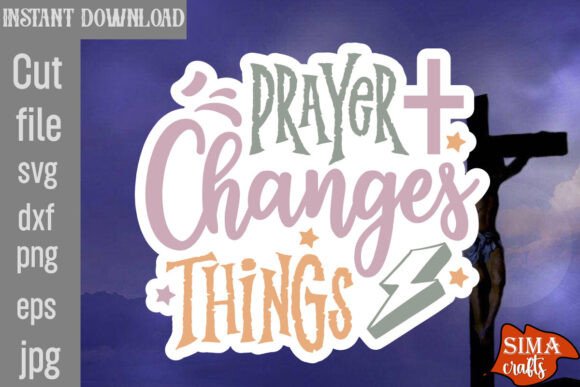
The immediate appeal of this machine embroidery design lies in its typography and layout. The phrase "Prayer Changes Things" carries weight. In the world of craft business items, words are often the primary selling point. A well-executed text design needs legibility from a distance but enough detail to reward close inspection. From a graphic standpoint, this Graphics asset feels grounded. It doesn’t scream for attention with neon colors or chaotic shapes; instead, it invites the viewer in. The visual personality is calm, supportive, and timeless. For an Etsy seller or a boutique owner, this mood translates directly into customer trust. People buying religious apparel aren’t just buying a shirt; they are buying a statement of belief. This design supports that narrative without being overly ornate.
The inclusion of multiple formats is a significant practical advantage. While I am reviewing this primarily through the lens of an embroidery project, the availability of vector files means the design can be scaled infinitely for large-scale applications like wall art or printed banners before being stitched. However, the true test for any digital embroidery file is how it behaves when converted to stitches.
Real-World Application: The Custom Tote Bag Scenario
To truly evaluate this embroidery file, let’s imagine a real-life scenario. You are preparing for a craft fair or updating your online shop. Your goal is to create a high-margin, low-complexity item that appeals to a broad audience. You decide on a natural canvas tote bag. This is a classic tote bag design opportunity. Why? Because the flat surface allows the satin stitch outlining the letters to pop, while the fill stitch or decorative elements (if included in the bundle) can rest comfortably without distortion.
When I mentally hooped this Prayer Changes Things SVG Cut File onto a heavy-duty cotton canvas, I considered the placement. Centered chest or slightly off-center left creates a sophisticated look. The contrast between dark thread on a neutral bag would make the message stand out. But what if you wanted to go softer? Imagine this same design embroidered on a white baby onesie using pastel threads. The theme fits perfectly into baby embroidery niches, where parents seek meaningful gifts. The design’s simplicity ensures it won’t look cluttered on small garments, making it a versatile choice for personalized gift makers.
I also envision this working beautifully on kitchen textiles. A tea towel or apron with this phrase adds a touch of warmth to a home. The durability of the embroidery ensures that the message survives countless washes, which is crucial for handmade product longevity. Customers appreciate items that last, and a well-stitched embroidered patch style design on an apron signals quality craftsmanship.
Technical Considerations and Stitch Clarity
No design is perfect, and no file is universally suitable. As a reviewer, I must highlight where this commercial embroidery asset requires careful handling. Typography-heavy designs are particularly sensitive to stitch density. If the lettering is too thin, it may lack stability on stretchy fabrics like jersey knits used in sweatshirt embroidery. Conversely, if the fill areas are too dense, the fabric may pucker, ruining the drape of the garment.
Before committing to a production run, I always advise testing on scrap fabric. Specifically, check how the running stitch details hold up on textured fabrics like fleece or terry cloth. These materials can hide fine details, causing the design to lose its definition. If you plan to use this for apparel decorators targeting activewear, ensure the stabilizer choice is appropriate. A tear-away stabilizer might not provide enough support for dense text on slippery synthetic blends, whereas a cut-away stabilizer would be safer for long-term wearability.
Another critical factor is color contrast. The digital preview might show crisp black text on white, but in reality, thread sheen and fabric texture alter perception. Always inspect small details in black and white mockups to ensure readability. If the design includes intricate flourishes, verify that they remain distinct when stitched. Tiny details often get lost in the stitching process, especially if the hoop size forces the machine to travel far across the fabric, potentially affecting tension consistency.
Where to Use Carefully
While this design assets package is robust, there are specific contexts where caution is needed:
- Small Hoop Sizes: If you are working with limited hoop space, ensure the entire phrase fits comfortably. Crowding the design can lead to misalignment and difficult trimming.
- Curved Surfaces: Applying this to caps or hats requires precise digitizing adjustments to account for curvature. Flat designs do not always translate seamlessly to curved surfaces without warping.
- Dense Stitch Areas: Avoid placing heavy fill stitches over seams or pockets, as this can create uncomfortable bulk in the finished product.
- Frequent Washing: For items like dish towels or children’s clothing, ensure the thread quality matches the fabric’s care instructions. Poor thread choice can lead to fading or fraying, damaging the brand consistency you’ve worked hard to build.
Impact on Product Value and Branding
In the competitive landscape of small shop products, differentiation is key. Using a pre-made SVG Cut File does not diminish the value of your work; rather, it amplifies your ability to produce consistent, professional results quickly. When a customer sees a cleanly executed embroidery project with a meaningful message, their engagement increases. They perceive the item as thoughtful and high-quality.
This Prayer Changes Things SVG Cut File enhances giftability. Whether it’s a holiday gift, a wedding favor, or a sympathy present, the message resonates emotionally. For creative entrepreneurs, this emotional connection drives sales. It transforms a commodity into a conversation starter. Furthermore, having the file in multiple formats allows you to create printable mockups for your online store, giving buyers a realistic preview of the finished product without needing physical samples for every listing.
Final Verdict for Designers and Sellers
Ultimately, the Prayer Changes Things SVG Cut File is a strong addition to any crafts portfolio. It strikes a balance between aesthetic appeal and practical usability. Its versatility allows it to span across various categories, from custom apparel to home decor. However, success depends on execution. The designer’s role is not just to download and stitch, but to curate. Choose the right fabric, select complementary thread colors, and prepare the material properly.
I recommend this bundle for digital product sellers who want to offer ready-to-use assets, as well as physical product makers looking for reliable designs. Just remember to confirm licensing terms before selling finished items. Ensure you have the right to use these design assets for commercial purposes. By doing your due diligence and paying attention to the technical nuances of stitching, you can turn this simple phrase into a powerful tool for your business. It’s not just about changing things through prayer; it’s about changing your business trajectory through smart, thoughtful design choices.