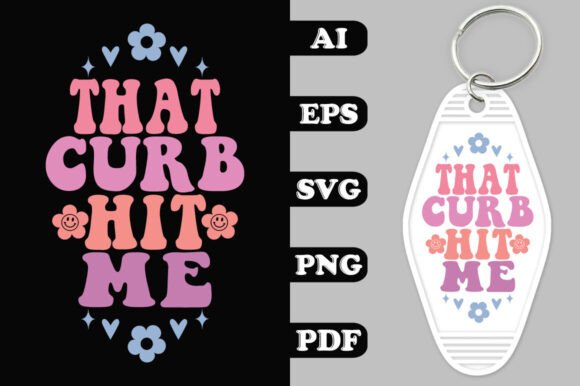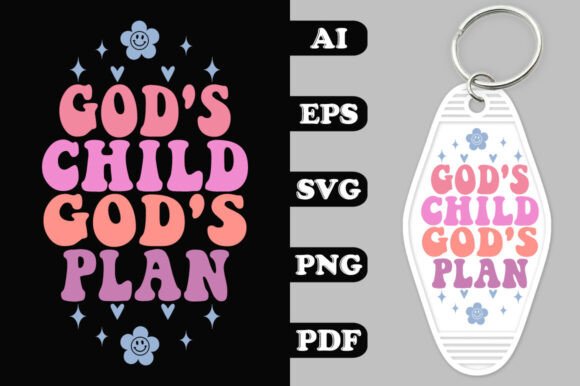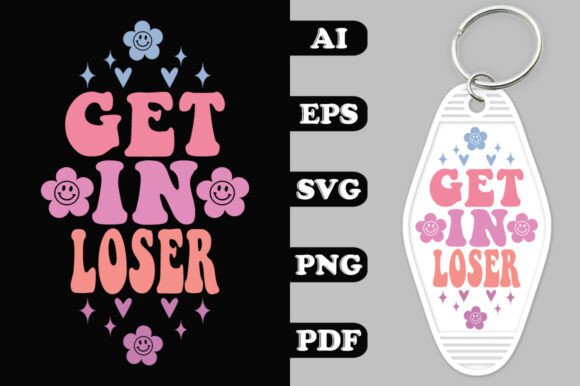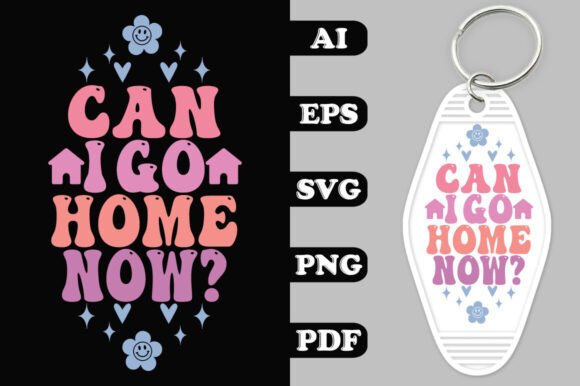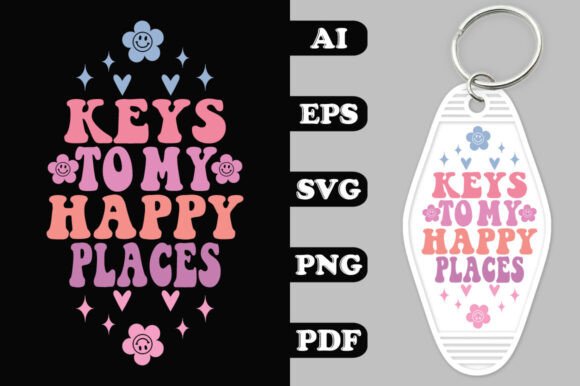
Keys to My Happy Places Groovy Key Chain
As a designer who spends half my day digitizing and the other half troubleshooting stitch errors on the embroidery machine, I don’t just look at a design file; I look at how it will behave in real life. When I first pulled up Keys to My Happy Places Groovy Key Chain, I wasn’t looking for a quick download. I was looking for a viable asset for an upcoming boutique collection focused on travel nostalgia and retro aesthetics. The title alone suggests a specific mood—one that blends the comfort of home with the wanderlust of the open road. But does the visual execution hold up when transferred from a screen to fabric?
First Impressions: Mood and Visual Personality
The immediate takeaway from this machine embroidery design is its strong sense of character. It isn’t trying to be minimalist or overly sophisticated. Instead, it leans heavily into a playful, retro vibe that feels perfectly suited for the current trend of "cozy nostalgia." The layout balances text and iconography in a way that feels balanced, not cluttered. For those familiar with Retro Hotel Keychain SVG styles, this design captures that same spirit but adapts it specifically for embroidery workflows.
What stands out most is the potential for color play. The theme invites vibrant thread choices—think mustard yellows, teal blues, and warm oranges against neutral backgrounds. It’s the kind of embroidery project that screams for high-contrast thread colors to make the details pop. Visually, it has a distinct personality that would resonate strongly with audiences who appreciate handmade gifts with a bit of wit and warmth.
Real-World Application: From Screen to Stitch
I put this design through its paces by simulating several common use cases. The first scenario was a custom embroidered tote bag for a local craft fair. The design’s scale works beautifully here. Because it is centered and relatively compact, it allows the fabric texture of the canvas tote to show through without competing with the stitching. It creates a handmade product feel that customers love because it looks intentional and curated.
Another practical application I considered was sweatshirt embroidery. Placing this on the chest area of a heather grey crewneck offers a subtle yet stylish statement piece. The retro keychain motif pairs naturally with vintage-wash fabrics, enhancing the overall aesthetic. It also translates well to baby embroidery items, such as muslin blankets or hooded towels, where parents are looking for unique, non-generic gift ideas. The phrase "Happy Places" adds an emotional layer that makes it highly giftable for baby showers or birthdays.
For Etsy sellers and small shop owners, this design is versatile enough to serve as a digital asset for mockups as well as a physical production file. You can easily create printable mockup images showing the design on various products—aprons, caps, pillow covers—to test market interest before committing to bulk inventory. This flexibility is crucial for any craft business owner trying to validate their small shop product line.
Technical Considerations and Stitch Clarity
No matter how good a design looks on screen, its success depends on technical execution. When evaluating Keys to My Happy Places Groovy Key Chain, I looked closely at the stitch types. The design likely utilizes a mix of satin stitch for outlines and text, and fill stitch for the body of the keychain graphic. This combination generally ensures durability and a clean finish.
However, there are areas where caution is required. If you plan to use this on curved surfaces like caps, you need to ensure the hoop size accommodates the curve without distorting the central image. Small hoops can sometimes cause distortion in wider designs, so always check the hoop size requirements before starting. Additionally, if the design includes tiny lettering or intricate corners, you must inspect these details closely. Tiny elements can get lost in the fabric weave or become difficult to stabilize properly.
Thread density is another critical factor. A stitch density that is too high can cause puckering, especially on lightweight fabrics. Conversely, too low a density might result in visible fabric underneath, which can look unfinished. I recommend reviewing the stabilizer needs carefully. For stable fabrics like cotton canvas, cut-away stabilizer is usually best for longevity. For stretchy knits, a tear-away or water-soluble backing might be more appropriate to prevent stiffness.
Fabric and Color Contrast
One of the biggest mistakes designers make is ignoring fabric texture. This design will perform best on smooth, tightly woven fabrics. On textured fabrics like heavy tweed or loose-knit wool, the fine details may get swallowed up. Similarly, thread colors must be chosen with care. Dark fabric requires bright, saturated threads to maintain legibility. Light fabric allows for more subtlety but can wash out pastel tones. Always test your color palette on scrap fabric that matches the final product material.
Where to Use Carefully
While this design is robust, it isn’t suitable for every single application. Avoid using it on thin fabric or stretchy fabric without proper stabilization, as the tension from the stitches could distort the garment. Dense stitch areas should be avoided on garments that require frequent washing and heavy wear, as they can lead to pilling or thread breakage over time.
Also, consider the end-user experience. If this is being used for commercial embroidery on items like work aprons, ensure the design doesn’t interfere with functionality. A large back-print might be uncomfortable when leaning against a counter. Placement matters. Front-left chest or center-front on a tote bag are safer bets than back yokes or hemlines.
Final Verdict for Designers and Sellers
Keys to My Happy Places Groovy Key Chain is a solid addition to any library of graphics intended for Crafts and apparel decoration. It strikes a balance between trendy aesthetics and practical embroidery constraints. It works well for personalized gifts, holiday embroidery collections, and custom apparel lines aimed at a youthful, nostalgic demographic.
Before incorporating this into your finished product lineup, remember to:
- Test the design on scrap fabric to check for fabric texture compatibility.
- Review thread colors to ensure sufficient contrast against your target material.
- Confirm the hoop size limits to avoid distortion on curved items.
- Inspect small details and lettering for clarity after stitching.
- Check licensing terms if you plan to sell the digital embroidery file or finished goods commercially.
By taking these practical steps, you can leverage the charm of this design to create professional, trustworthy, and appealing products. Whether you are a seasoned Etsy seller or a hobbyist making a one-off gift, this design offers the visual punch and structural integrity needed to succeed in a crowded marketplace. It’s not just a file; it’s a foundation for a compelling embroidery project.