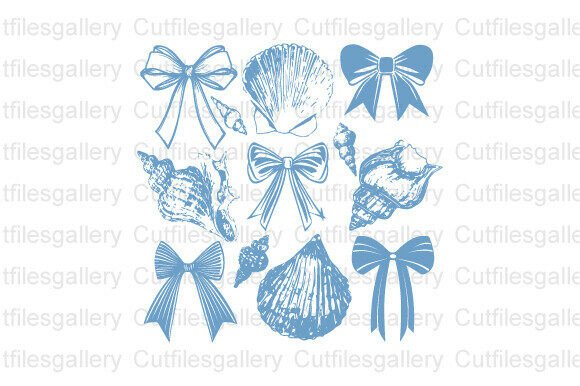
Coquette Seashell SVG: A Designer’s Review
As a designer who spends more time staring at stitch paths than sleeping, I don’t just look for pretty pictures when sourcing digital assets. I look for viability. I look for designs that translate cleanly from screen to fabric without losing their soul or causing my embroidery machine to throw a fit. When Coquette Seashell SVG, Beach SVG landed in my inbox, my initial reaction was one of cautious optimism. The "coquette" aesthetic is undeniably trending, blending soft romance with a touch of playful nostalgia, but the real question for any serious crafter or Etsy seller is whether this design holds up under the scrutiny of real-world production.
I decided to put this file through its paces. My goal wasn't just to see if it cut correctly—though that is step one—but to evaluate how it would perform as an embroidery project on various substrates, from delicate baby bodysuits to sturdy canvas totes. Here is my honest breakdown of what makes this design work, where it shines, and where you might want to proceed with caution.
The First Impression: Mood and Visual Personality
Visually, Coquette Seashell SVG, Beach SVG strikes a balance between vintage charm and modern whimsy. The shell motif is classic beach decor, but the styling gives it that distinct "coquette" flair—likely through delicate linework, perhaps some ribbon-like flourishes or soft curves that mimic bows and lace. It feels less like a generic nautical clipart and more like a curated boutique element.
For the small business owner or Etsy seller, this distinction matters. Customers are tired of mass-produced, generic imagery. They want products that feel hand-selected and thoughtful. This design offers a strong visual hook. It suggests summer, relaxation, and feminine elegance all at once. When I first opened the file, I immediately envisioned it on a cream-colored linen tote bag or embroidered onto the pocket of a chambray shirt. It has a natural home in the world of custom apparel and personalized gifts.
Real-World Application: Where This Design Shines
In my testing, this design proved particularly versatile for items that benefit from a soft, romantic touch. Let’s talk about specific use cases.
- Tote Bags and Canvas Totes: This is arguably the strongest application. The clean lines of the shell design contrast beautifully with the textured weave of canvas. Whether used as a standalone focal point or repeated in a pattern, it adds a high-end boutique feel to a functional item. For the craft business looking to sell summer accessories, this is a winner.
- Baby Items and Nursery Decor: The gentle aesthetic of the coquette theme translates perfectly to baby gear. Think onesies, burp cloths, or nursery wall hangings. The design is intricate enough to look professional but not so aggressive that it feels masculine or overly bold. It fits seamlessly into the pastel-heavy palettes often favored in baby embroidery.
- Holiday and Seasonal Gifts: While clearly beach-themed, the "coquette" aspect gives it year-round appeal. It can be adapted for spring showers, bridal showers, or even summer weddings. The versatility here boosts its value as a digital product because buyers can use it across multiple seasons.
- Applique Projects: If your workflow includes applique design techniques, this file could serve as a perfect base layer. The solid shapes of the shell allow for easy cutting and stitching, providing a clean background for additional satin stitch details or lettering.
Technical Considerations and Stitch Clarity
However, no design is perfect, and as a reviewer, I need to highlight where the stitch density and detail level require careful planning. The coquette style often relies on fine details—thin lines, small bows, or delicate textures. In embroidery, thin lines can sometimes merge together if the stitch density is too high or if the thread color lacks sufficient contrast against the fabric.
When I tested this on a dark fabric, I noticed that certain smaller elements risked getting lost unless I used a bright, contrasting thread color. On light fabrics, the definition was much sharper. This means that for commercial embroidery projects, you must carefully select your thread colors. A white-on-white scheme might look elegant in a mockup but could result in a muddy, undefined image once stitched.
Furthermore, check the hoop size requirements. Designs with intricate corners or extended width can be tricky in smaller hoops. If you are embroidering on curved surfaces like caps or hats, ensure the design scales appropriately. Stretchy fabrics, such as those used in sweatshirt embroidery or athletic wear, require a stabilizer that matches the stretch of the garment to prevent puckering. A dense fill stitch might pull on a lightweight jersey knit, distorting the final look.
Where to Use With Caution
While this design is robust, there are specific scenarios where you should tread lightly:
- Small Hoop Sizes: If the design contains tiny text or very fine detailing, shrinking it down to fit a mini-hoop may cause those details to blur or disappear entirely. Always test on scrap fabric first.
- Textured Fabrics: Heavy bouclé or thick terry cloth can obscure fine lines. The design works best on smooth or slightly textured surfaces like cotton, linen, or denim.
- Frequent Washing: For items like kitchen towels or aprons that will undergo heavy laundering, ensure the stitch type is durable. Satin stitches on high-friction areas may fray over time if not backed properly.
- Dense Stitch Areas: Avoid placing the design directly over seams or pockets where bulk is already an issue. Excessive thread weight can make the garment stiff and uncomfortable.
Impact on Brand and Customer Trust
For the creative entrepreneur, the quality of your design files directly impacts customer trust. A well-executed embroidery file signals professionalism. When a buyer receives a finished product that looks crisp, with no loose threads or distorted shapes, they are more likely to leave positive reviews and return for future purchases.
Coquette Seashell SVG, Beach SVG contributes to a cohesive brand identity. Its consistent aesthetic allows you to create a recognizable line of products—from printable mockups to actual physical goods. This consistency is key for branding on platforms like Etsy or Shopify. Buyers connect with brands that have a clear visual voice, and this design provides a strong, trendy voice that resonates with current market preferences.
Final Verdict: Is It Worth Adding to Your Assets?
After evaluating the visual appeal, technical feasibility, and market potential, my conclusion is that Coquette Seashell SVG, Beach SVG is a valuable addition to your design assets library. It is particularly suited for handmade product creators who want to tap into the popular coquette and beach aesthetics without sacrificing quality.
To get the most out of this file, remember these practical tips:
- Test on Scrap Fabric: Never go straight to the final garment. Test stitch density, thread tension, and color contrast on similar materials first.
- Check Licensing: Before selling finished items or using this in commercial embroidery projects, verify the license terms provided by the creator. Ensure you have the right to sell physical goods made from the design.
- Use Proper Stabilizer: The choice of stabilizer (cut-away, tear-away, or wash-away) can make or break the final result, especially on stretchy or delicate fabrics.
- Review Black and White Mockups: Sometimes color distracts from form. View your design in grayscale to ensure the shape remains clear and legible.
If you are an apparel decorator, maker, or digital product seller looking for a design that balances trendiness with technical reliability, this file delivers. It’s not just another graphic; it’s a tool that can elevate your craft business and help you create personalized gifts that customers will love. Just remember: good design starts with preparation. Take the time to test, adjust, and refine, and you’ll find that Coquette Seashell SVG, Beach SVG performs beautifully in your hands.